Regenerative Agriculture
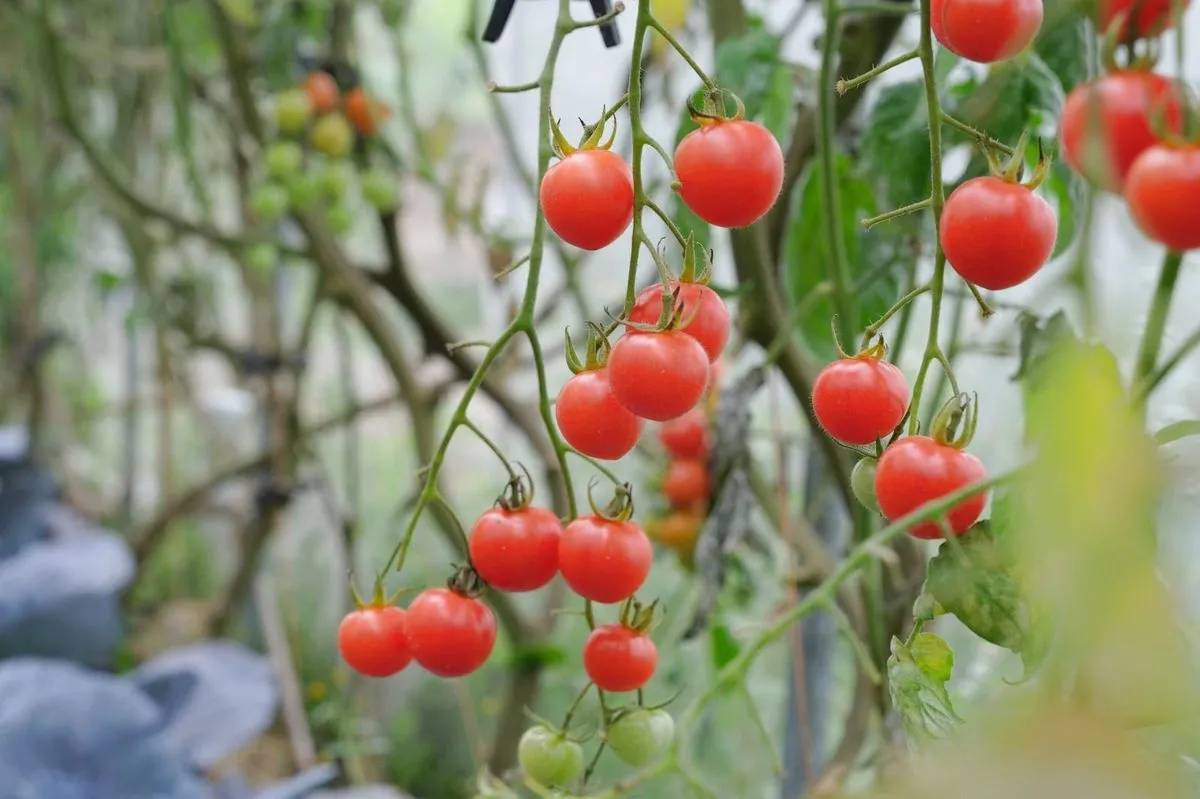
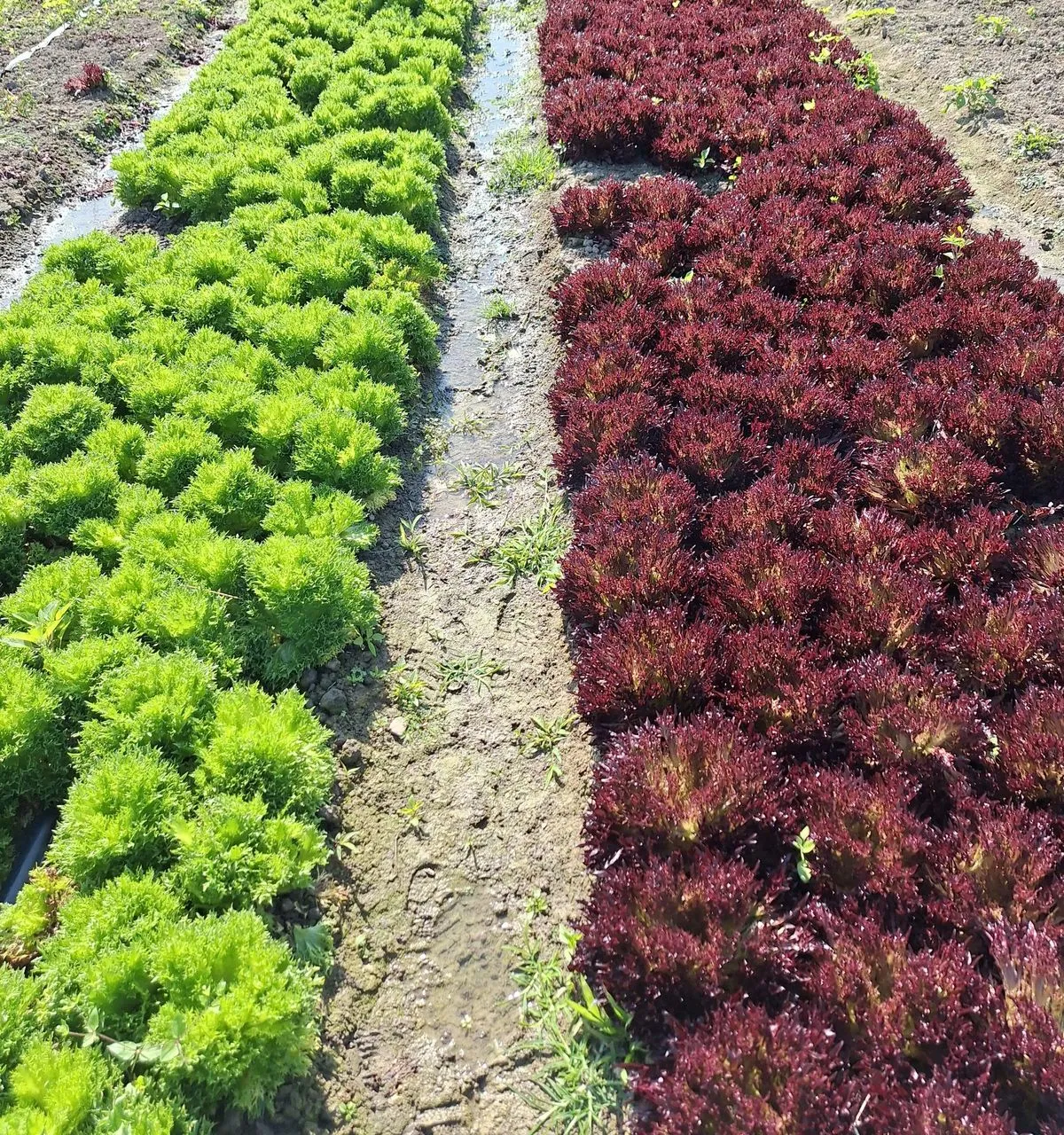
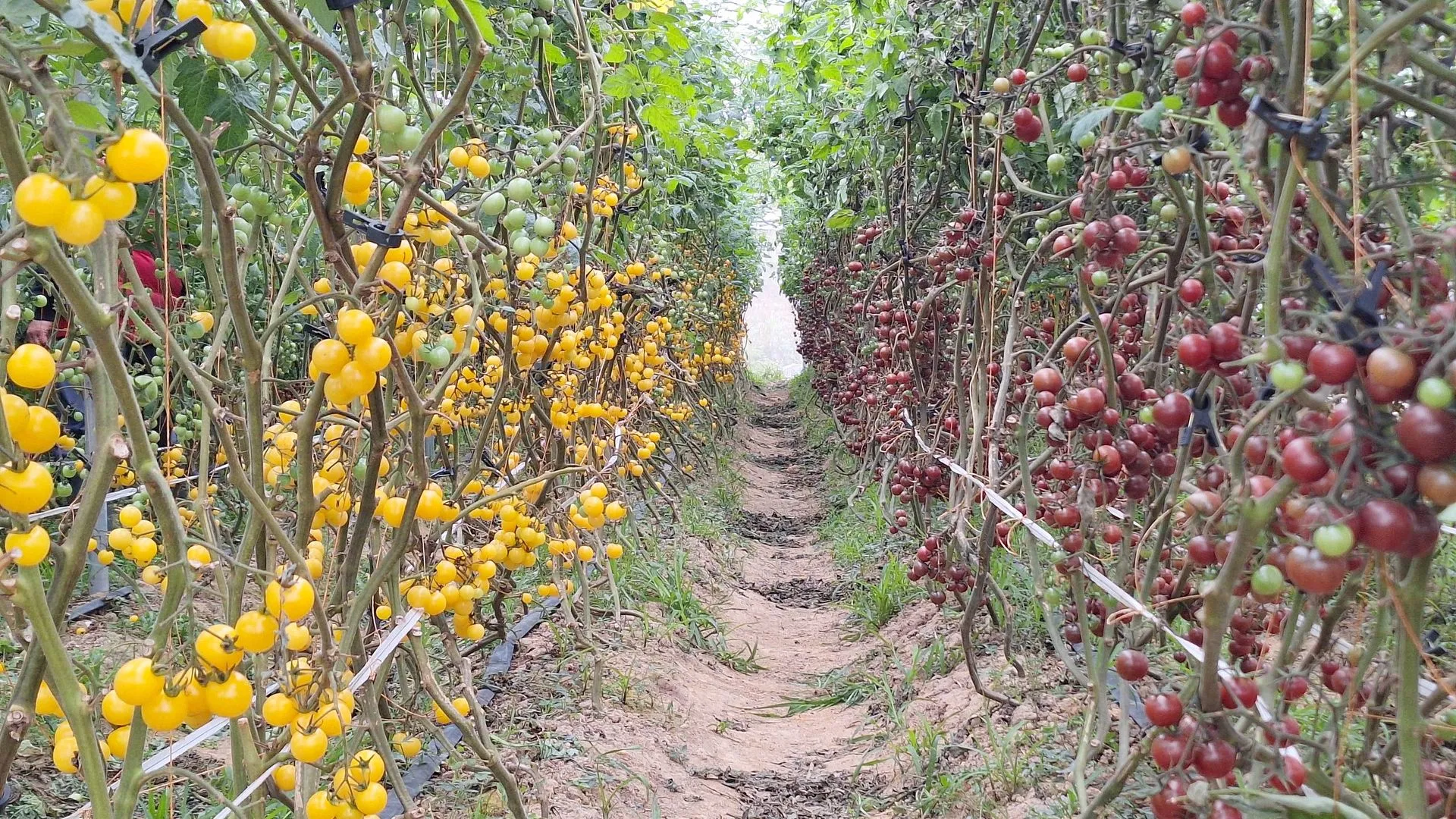
Healthier soil, stronger crops — no chemical fertilizers, no chemical pesticides. Prebiotic bio-agents feed the microbes already in the soil, so the plant builds its own defences rather than being shielded by a spray.
Pioneering regenerative agriculture and aquaculture in Hong Kong for over twenty years — no chemical fertilizers, no chemical pesticides, grounded in proprietary microbiome technology.
What we do
Two decades of proprietary microbiome technology, applied across three mature practices — and deployed commercially in Hong Kong every day.
Healthier soil, stronger crops — no chemical fertilizers, no chemical pesticides. Prebiotic bio-agents feed the microbes already in the soil, so the plant builds its own defences rather than being shielded by a spray.
Fish and shrimp that thrive, not just survive. The same microbiome technology increases growth, strengthens disease resistance, and maintains water quality — without chemicals.
With twenty years of field-proven operations and mature automation, we run regenerative farming and aquaculture operations end-to-end for investors and partners — from soil preparation to harvest.
Flagship case study
A circular economy partnership with Maxim's Group and 7-Eleven, turning pre-consumed food waste from 70+ locations into fresh produce — with no chemical fertilizers.
Fruit peels and coffee grounds from 70+ Maxim's locations are converted into nutrient-rich microbiome inputs and used to grow crops without chemical fertilizers. The produce returns to 7-Eleven and Maxim's under the Grounds to Goodness brand. Waste in, food out.
In partnership with
Research collaboration with Prof. Jack Ip at Lingnan University validates the microbiome technology — measurable improvements in plant health and fungal disease prevention.
The Regenovate system packages the same model for other sites — a one-tonne-per-day food waste processing unit that lets a partner run the loop on its own premises, extending WeGen beyond its founding partnership.
Join a network of corporate partners turning waste streams into verified regenerative produce.
The evidence
Our bio-agents are prebiotic, not probiotic: they feed the microbes already living in the soil and water rather than introducing foreign organisms. We do not add anything to the plant. We rebuild what feeds it, and the plant does the rest. Every figure below is a third-party measurement, not a self-report.
Pesticide residues across 488 and 502-item SGS panels
Independent SGS reports, two consecutive years
Product carbon footprint, lettuce, against conventional
Tomato leaf-spot lesion area, Lingnan University trial
Pesticide panels by SGS Hong Kong. Carbon footprint measured to an ISO 14067-aligned methodology by RESET Carbon. Crop trials run with the Lingnan University Science Unit. Full reports available on request.
The circular economy partnership with Maxim's Group and 7-Eleven reaches a significant operational milestone — 48+ tonnes of pre-consumed food waste converted into chemical-free produce.
Read full reportTwo funded research projects with Prof. Jack Ip demonstrate measurable improvements in plant health and fungal disease prevention through microbiome technology.
Regeneration Architect Tiffana Kwok represented Hung Yat Farm in the Eat Local programme at Hong Kong's first Food Expo PRO, held at the Convention and Exhibition Centre.